

Widely regarded as one of the best co-operatives in the world, Cave de Turckheim, which was founded in 1955 and recently celebrated their 70th anniversary, is situated on the double fault line of the Alsace plain and the Munster Valley. Working closely with 120 partners, its vineyards span the full breadth of Alsatian terroir and grape varieties. Cave de Turckheim only produces wine from the grapes of its member growers, it is a récoltant not a négociant. With sun-kissed slopes, a Grand Cru, and several exceptional lieux-dits (named places), these factors have forged the reputation of Turckheim for decades!
Substantial investment in the winery has enabled the team to vinify many parcels of grapes separately, offering Lilian Andriuzzi (winemaker for 25 years) the chance to highlight each wine's nuances in a signature dry, yet fruit forward, style.
Committed to producing the highest quality wines, growers are encouraged to keep yields low. For example, Cave de Turckheim voluntarily caps yields for its Grands Cru vineyards at 45hl/ha rather than the permitted 55hl/ha, and chooses to pick the grapes by hand. This is part of a long term and innovative strategy of sustainability that includes developing the largest holdings of organic vineyards in Alsace, using natural alternatives to chemical treatments, and a green overview of all vineyard practices. Alongside some great organic wines, the extensive range runs from the excellent value Tradition wines right through to individual Grand Cru bottlings, plus fantastic Crémants d’Alsace and Vendange Tardive dessert wines.
An awareness of social and environmental concerns has always been high on the agenda for the Cave de Turckheim’s growers. They were among the first in France to practice integrated agriculture, an approach which combines the best of modern tools and technologies with traditional practices, lowering the consumption of energy and other resources, reducing environmental pollution, conserving biodiversity and promoting sustainability. In 2015, they all obtained High Environmental Value Level 2 certification then went on to achieve the highest HVE Level 3 certification in 2019. Turckheim's growers also adhere to SMETA, which is a widely used methodology designed to access an organisation's ethical standards that includes labour rights, health and safety, and environmental impact.
In 2008, a number of growers decided to commit to the rigorous standards of organic viticulture. As part of Alliance Alsace, approximately 140 hectares of vines are now cultivated organically, and are certified as such. In fact, Turckheim is the biggest producer of organic Alsace wines. These vignerons have revived ancestral practices, tilling the soil and undertaking work that facilitates the elimination of weeds and the combat against the two major diseases: powdery mildew which is tackled with sulphur, and mildew which is treated with copper sulphate. Natural fertilisers are also used (nettle, horsetail, comfrey and dandelion), fortifying the vines and increasing their natural resistance. Organic winegrowers meticulously observe their vines, enabling them to intervene in the right place and at the right time, rather than treating the plants systematically.
Turckheim’s commitment to the environment extends to the winery where it strives to conserve natural resources. Sorting waste for recycling, reducing its carbon footprint, using solar panels, and preventing pollution are just some examples of how environmental considerations are present in every aspect of its daily work. Committed to both the environment and its customers, Cave de Turckheim also plays an important role in the local economy.
To celebrate its 65th anniversary back in 2020 (they have not long celebrated their 70th anniversary!), Cave de Turckheim planted 65 trees to contribute to the reconstruction and maintenance of their vines and terroirs, as well as to the preservation and enhancement of wider landscapes. Local and ancient varieties were specially selected to contribute to the safeguarding of their genetic heritage.


The Crémant d'Alsace appellation denotes sparkling wines made in the traditional method. Effervescent and refreshing, these are perfect celebration wines....
Read More...
Overlooking the medieval town of Turckheim, the granitic Grand Cru Brand enjoys an exceptionally sunny aspect. Legend has it that...
Read More...
For its Réserve range, Cave de Turckheim sources typical Alsace varieties from flinty soils, producing wines with assertive characters that...
Read More...
The Terroirs d'Alsace collection reflects the varying soils available to Cave de Turckheim which impart individual characteristics to the wines....
Read More...
Fresh, light and fruity, Cave de Turckheim’s Tradition range represents excellent value and typicity....
Read More...
Cave de Turckheim is proud to work the land innovatively, expressing a deep respect for the buds that will develop...
Read More...
Produced with late harvest grapes only when the seasons permit, Cave de Turckheim's Vendange Tardive wines have a power, a...
Read More...
Selected from old vines (over 35 years old) to produce a range of wines with great concentration and complexity that...
Read More...
FSP006
Cave de Turckheim
Alsace, France
Top quality Crémant d'Alsace in celebration size.
FSP001
Cave de Turckheim
Alsace, France
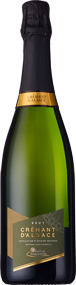
Traditional, elegant and expressive Crémant from this celebrated Alsace co-operative.
FAL425
Cave de Turckheim
Alsace, France
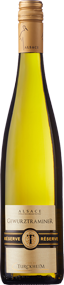
Classic, aromatic but beautifully balanced Gewurztraminer.

FAL266
Cave de Turckheim
Alsace, France
Bright, zippy, lip-smacking Riesling.

FSP010
Cave de Turckheim
Alsace, France
Organic traditional method fizz from the largest holder of organic vineyards in Alsace.

FAL400
Cave de Turckheim
Alsace, France
The hills are alive with the sound of music!

FAL921
Cave de Turckheim
Alsace, France
Textbook Alsace Gewurztraminer - richly perfumed and full-flavoured

FAL915
Cave de Turckheim
Alsace, France
An exemplary and expressive Alsatian Riesling from lieu-dit Heimbourg.

FAL405
Cave de Turckheim
Alsace, France
A rich and ripe yet elegant wine that is a massively versatile accompaniment to a wide range of food...

FAL267
Cave de Turckheim
Alsace, France
Textbook Pinot Noir of the bright, fresh and fruity kind.

FSP060
Cave de Turckheim
Alsace, France
Fine, elegant pink fizz with depth and texture.
FSP005
Cave de Turckheim
Alsace, France
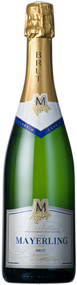
Top quality Alsace Cremant

FAL909
Cave de Turckheim
Alsace, France
An unusually rich Sylvaner, mellowed by its maturation in acacia barrels.

FAL416
Cave de Turckheim
Alsace, France
Exemplary Grand Cru Riesling: elegant and complex!

FAL805
Cave de Turckheim
Alsace, France
From vines over 45 years old, deliciously balanced, aromatic Riesling.
FAL480
Cave de Turckheim
Alsace, France
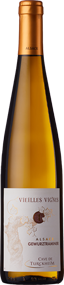
Luscious and textured Gewurztraminer from old vines.

FAL460
Cave de Turckheim
Alsace, France
Delightfully aromatic and beautifully balanced Pinot Gris from the lieu-dit of Herrenweg.

FAL465
Cave de Turckheim
Alsace, France
A pretty expression of Alsatian Gewurztraminer - clean and perfectly poised.

FAL450
Cave de Turckheim
Alsace, France
Great value, versatile and very drinkable Pinot Blanc

FAL440
Cave de Turckheim
Alsace, France
A lovely, light expression of a classic Alsatian varietal

FAL445
Cave de Turckheim
Alsace, France
Textbook Alsace Gewurztraminer - elegant and harmonious.

FAL435
Cave de Turckheim
Alsace, France
Pinot Blanc is so versatile and Turckheim are masters of this variety, both easy going and complex a...

FAL430
Cave de Turckheim
Alsace, France
Intense, full-flavoured Pinot Gris.

FAL420
Cave de Turckheim
Alsace, France
Delicious dry Riesling with fabulous zesty fruit and great balance.

FAL413
Cave de Turckheim
Alsace, France
Stunning aromatic wine from one of the best vineyard sites in Alsace.

FAL341
Cave de Turckheim
Alsace, France
The sweetness of wonderfully pure, late-harvest Gewurztraminer is balanced by perfect acidity.

